
From Static to Smart: The Evolution of Digital Signage Content

Businesses and organizations are continually looking for ways to capture attention, engage their audiences, and optimize their marketing strategies. One of the most effective tools they’ve turned to in recent years is digital signage. What was once limited to static displays of information has now evolved into a dynamic, interactive medium with endless possibilities for creativity and engagement. This shift from static signage to smart digital signage has completely transformed how businesses approach content delivery and audience interaction.
In this article, we explore the evolution of digital signage content, the rise of smart signage, and how digital signage content strategies are changing to meet modern demands. We’ll dive deep into how smart digital signage solutions, powered by advanced software, are reshaping how organizations communicate with their audiences in real-time.
What is Smart Signage?
Before delving into the evolution of digital signage content, let’s first explore what smart signage actually is.
At its core, smart signage refers to a digital display that is capable of delivering content dynamically. Unlike traditional static displays, which simply show pre-set content, smart signage solutions integrate a variety of advanced technologies such as data-driven automation, real-time content updates, sensors, and audience targeting.
The key difference between traditional and smart signage lies in the ability to adapt to the environment and interact with the audience in real-time. For example, smart signage can change its content based on factors like time of day, weather, location, audience demographics, or even specific actions taken by individuals near the display. This adaptability is what sets smart signage apart from static alternatives.
Smart signage systems often integrate with other digital tools, such as smart digital signage software. These software solutions allow users to manage, schedule, and update content remotely and automatically, making it easier to maintain relevant and timely messaging.
How Do You Use Smart Signage Displays?
The versatility of smart signage displays is what makes them so appealing. These displays can be used in a variety of contexts and for numerous purposes, including:
-
Retail and Shopping Centers: Smart signage can enhance the shopping experience by displaying tailored promotions, product information, or personalized offers based on customer behavior or demographic data. For example, digital signage can show specific ads or promotions based on the time of day, weather conditions, or even a shopper’s proximity to certain products.
-
Corporate Offices: In business environments, smart signage displays can communicate internal information, such as announcements, meeting room schedules, or employee recognition. Additionally, they can be used in lobbies or conference rooms to engage visitors and create a more immersive experience.
-
Transportation Hubs: Airports, train stations, and bus terminals can utilize smart signage to display real-time updates such as arrival/departure times, wayfinding information, and safety announcements. Smart signage can also be used for crowd control by directing passengers to the most efficient routes based on real-time data.
-
Healthcare: Hospitals and clinics can use smart signage to share important information with patients, such as appointment reminders or wayfinding details. Digital signage can also display relevant health tips or important notices in waiting areas and hallways.
-
Hospitality: Hotels and restaurants can deploy smart signage for guest communication, such as event schedules, room service menus, or interactive check-in experiences. This type of signage can also be used to showcase promotions and upcoming events in real-time.
The possibilities for using smart signage displays are nearly endless. With the ability to change content dynamically based on a variety of factors, these displays provide an interactive experience that is more engaging than traditional, static signage.

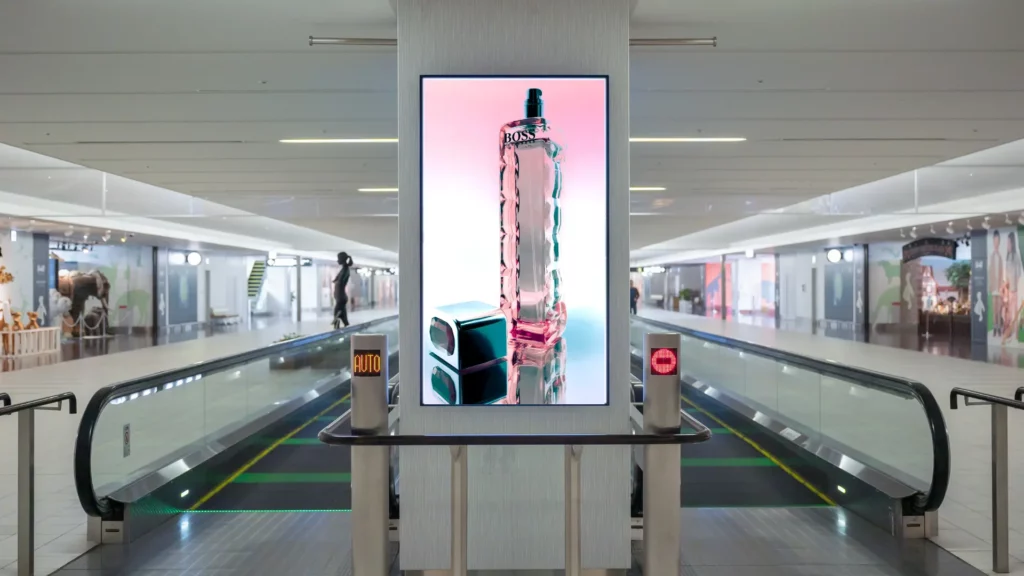


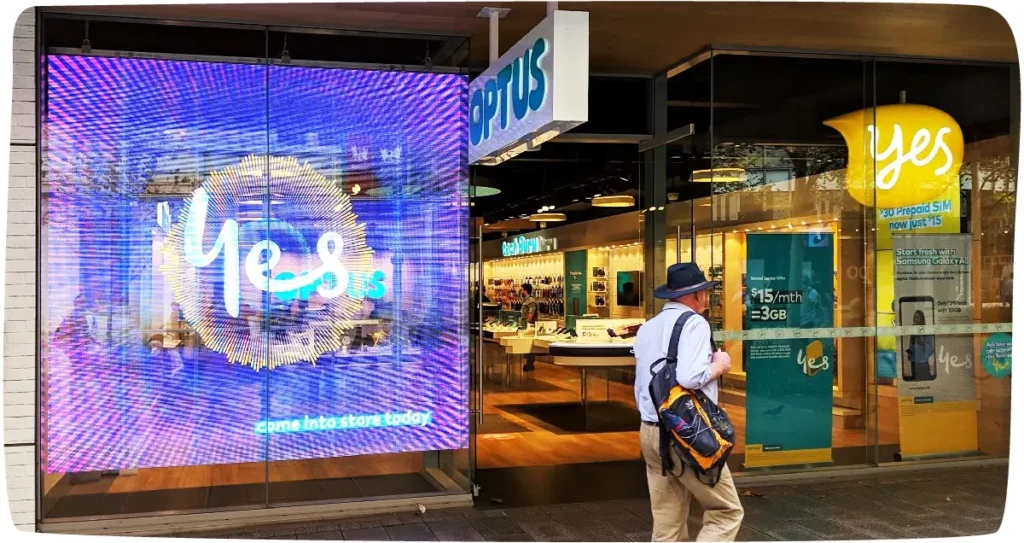


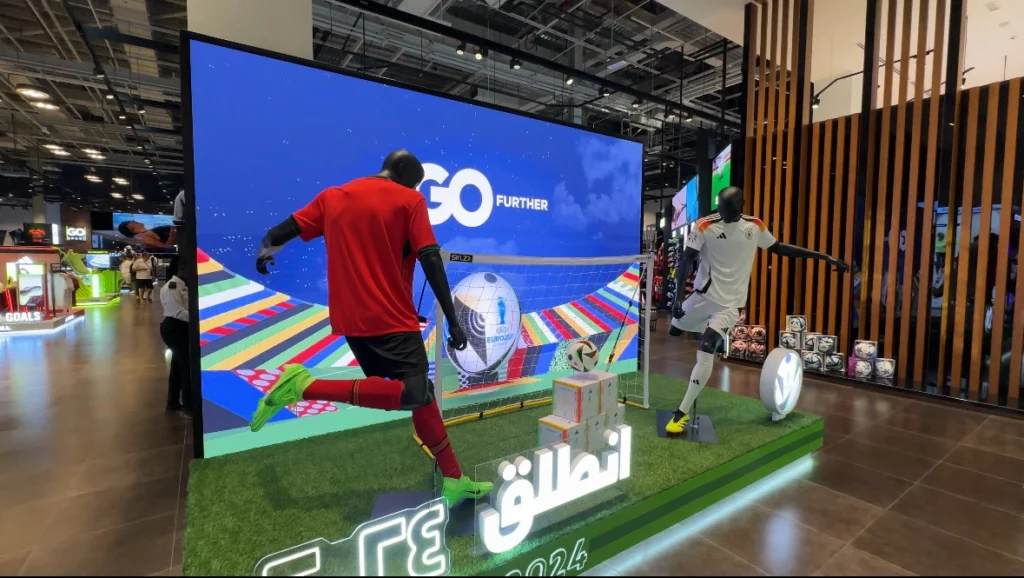

What Does Smart Signage Mean for Content Strategy?
As digital signage has evolved, so too has the need for a digital signage content strategy. Smart signage has introduced new ways to engage and captivate audiences, which requires businesses to rethink how they approach content creation and management. Here’s how smart signage is influencing content strategies across industries:
1. Data-Driven Automation:
Smart digital signage solutions can integrate with data analytics tools, allowing businesses to track customer behavior and tailor content based on real-time insights. For example, a smart display in a retail environment can show a personalized ad to a customer based on their previous shopping habits or even on external factors like the weather or time of day. This shift toward data-driven content creation helps brands maximize their reach and relevance.
2. Real-Time Content Updates:
With smart digital signage software, businesses no longer need to rely on pre-scheduled content that remains static throughout the day. Instead, they can update content on-the-fly. Whether it’s breaking news, weather updates, or time-sensitive promotions, real-time content management allows businesses to stay agile and relevant. This flexibility is particularly valuable in industries like retail, hospitality, and transportation, where timely information is critical.

3. Audience Targeting:
Audience targeting has always been a challenge for marketers, but smart signage has made it easier than ever. By integrating smart sensors, facial recognition, or even Wi-Fi analytics, businesses can customize content based on the demographics and behaviors of their viewers. For example, a retail store could use smart signage to show specific ads to male shoppers versus female shoppers or target different age groups with personalized offers. This ability to target the right content to the right audience increases engagement and boosts conversion rates.
4. Interactive Experiences:
Smart signage also enables more interactive experiences. Touchscreens, motion sensors, and mobile integration are just a few of the features that make smart signage engaging. Customers can interact with the display by swiping through options, entering information, or making selections. In retail, for instance, smart digital signage solutions can integrate with e-commerce platforms to allow customers to check out products in-store or find out more information about the items they are interested in.
The Role of Smart Digital Signage Software
At the heart of these innovations is smart digital signage software. These software platforms allow businesses to manage their digital signage networks, monitor content, and implement strategies with ease.
With smart signage software, users can:
-
Remotely manage and update content across multiple screens and locations, allowing for efficiency and consistency.
-
Automate content scheduling based on predetermined rules, such as time of day or customer behavior.
-
Integrate with other business systems, such as inventory management, customer loyalty programs, and social media feeds, to provide more contextually relevant content.
-
Monitor performance by tracking metrics like audience engagement and dwell time, providing valuable insights to refine content strategies.
Smart signage software has become the cornerstone of digital signage content strategies. By leveraging automation, real-time updates, and advanced analytics, businesses can craft more personalized, relevant, and effective messaging.
The Future of Smart Digital Signage
As technology continues to advance, the potential for smart digital signage solutions is virtually limitless. Here are some of the trends we can expect to see in the future of smart signage:
-
AI and Machine Learning: AI-powered analytics and machine learning will allow smart signage to predict customer behavior, allowing for even more personalized and targeted content.
-
Voice Interaction: As voice recognition technology becomes more sophisticated, we can expect to see more voice-enabled smart signage displays, allowing customers to interact hands-free.
-
Augmented Reality: Augmented reality (AR) can enhance the capabilities of smart signage, enabling users to interact with 3D content or visualizations that blend the digital and physical worlds.
-
Sustainability: As energy efficiency becomes a growing concern, smart signage will evolve to incorporate sustainable technologies, such as solar-powered displays or energy-efficient hardware.
Conclusion
The evolution from static to smart digital signage has transformed how businesses engage with their audiences. With the power of smart digital signage software, businesses can leverage data, real-time updates, and advanced targeting to deliver dynamic and personalized content that resonates with viewers. As the technology continues to evolve, smart signage will only become more intelligent, interactive, and integrated into the customer experience.
To succeed in today’s fast-paced digital landscape, businesses must adopt digital signage content strategies that are flexible, data-driven, and capable of adapting to ever-changing audience needs. Smart digital signage offers the tools to do just that, enabling organizations to craft meaningful, impactful content that drives results.

